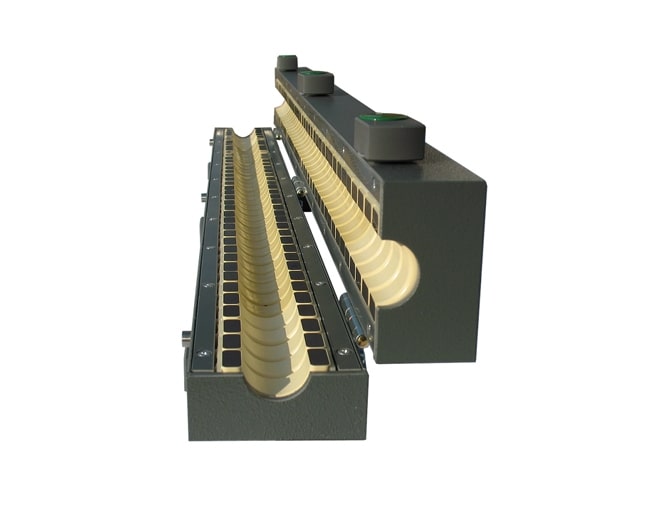
RF Probes and Clamps for Versatile EMC Test Applications
RF Probes and Clamps
RF Probes and Clamps are essential auxiliary devices used to measure signals at specific points in an electromagnetic environment (Probes) or to precisely inject signals onto cables (Clamps). RF Probes aid in noise debugging by measuring minute magnetic and electric fields near a product's surface or circuit board with high sensitivity. Conversely, Clamps establish a highly reliable environment for Conducted Immunity testing by inductively coupling RF energy onto the cable without direct contact.
Absorbing clamps are used for measuring interference signals on power supply cables. Decoupling clamps and ferrite tube are available for a variety of different EMC applications.
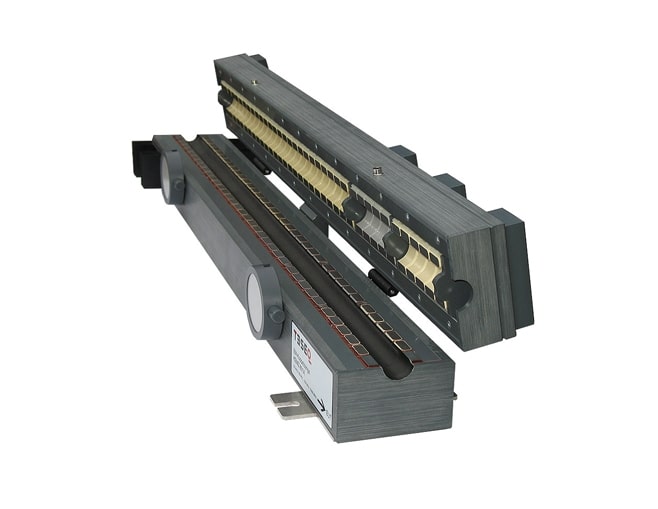
The KEMZ 801 is similar to the described EM clamp in the standard IEC/EN 61000-4-6 and injects the disturbance signal through a combination of inductive and capacitive coupling whilst decoupling the AE to values in excess of 10 dB above 10 MHz.
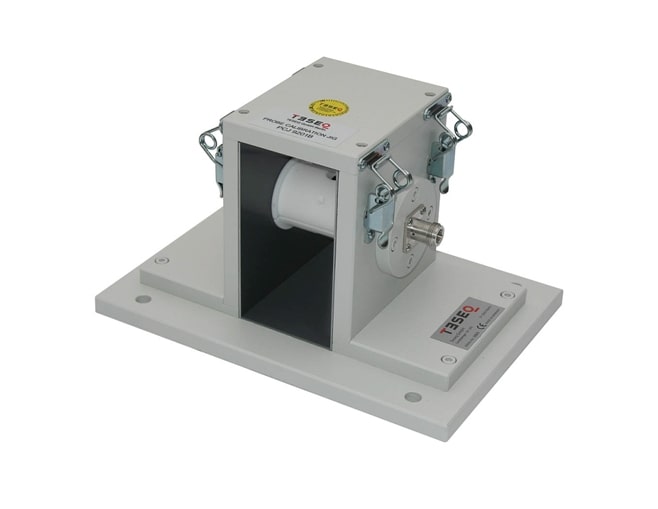
Current injection probes for different applications including IEC/EN 61000-4-6, automotive BCI testing e.g. MIL-STD-461 CS114, ISO 11452-4.
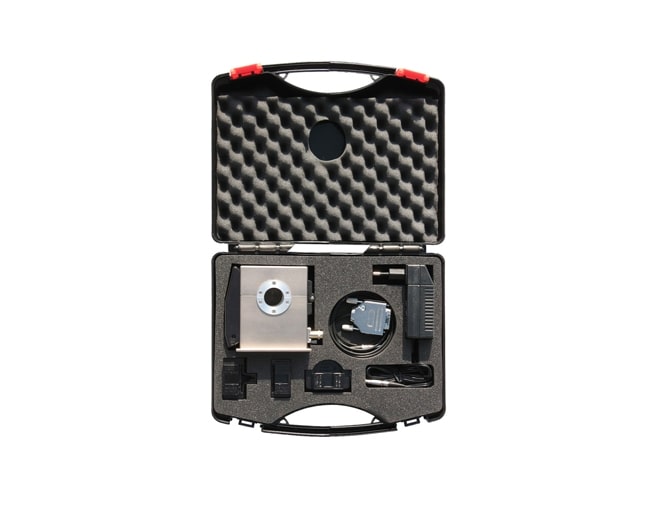
Current sensing probes include the CSP models which allow the measurements of asymmetrical currents, and the MD models which allow current monitoring in active or passive modes.
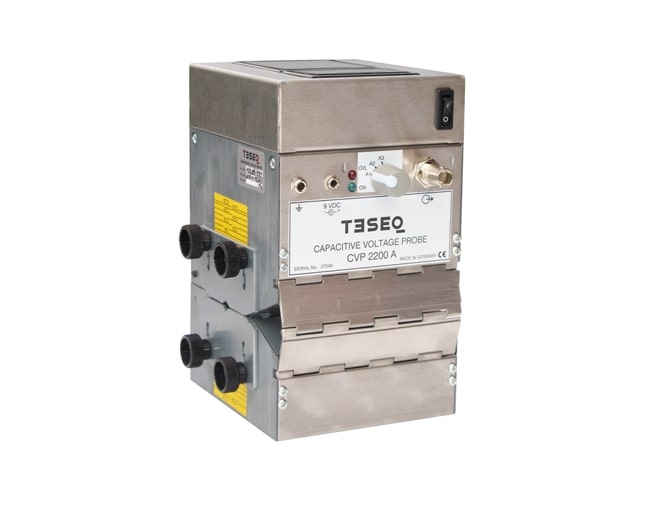
The CVP is used for measuring on telecommunication ports for lines with more than four balanced pairs or for unbalanced lines.
FAQ
Q1. What are RF probes and clamps?
RF probes and clamps are test devices used to measure RF signals carried by cables or couple test signals to evaluate the conducted electromagnetic characteristics of equipment.
Q2. What are RF probes and clamps used for?
They are used to measure RF currents on cables or apply RF disturbances for evaluating conducted electromagnetic emissions and immunity characteristics.
Q3. How should RF probes and clamps be selected?
ERETEC INC. RF probes and clamps should be selected according to the measurement or signal injection method, cable type and size, required frequency range, and applicable test standards.